
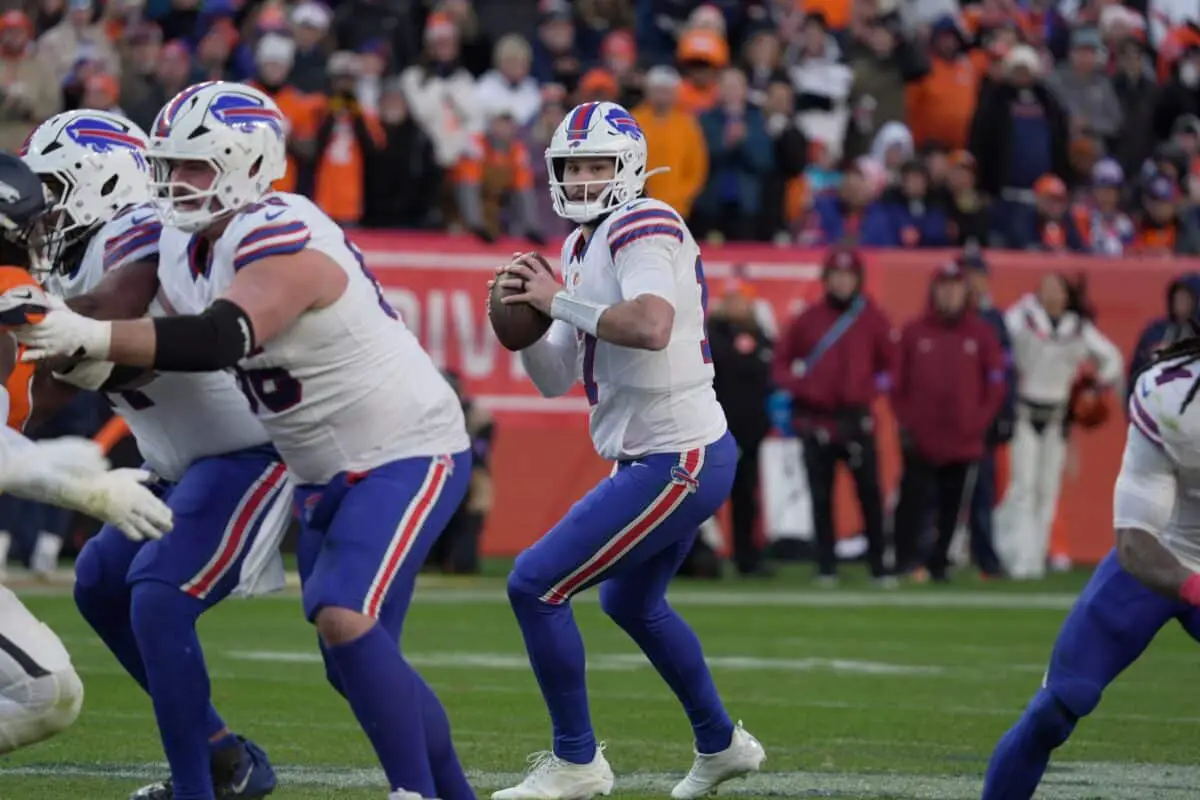
How Sean McDermott’s Firing Affects Josh Allen and the Bills. In January 2026, the Buffalo Bills made one of the most talked‑about decisions in the NFL offseason: they fired head coach Sean McDermott after nine seasons with the franchise.
McDermott’s departure sent shockwaves through the league — but nowhere was that impact felt more keenly than among the Bills’ players, fans, and especially star quarterback Josh Allen.
McDermott transformed the Bills from perennial also‑rans into a consistent playoff contender, yet his teams never reached the Super Bowl. The organization decided it was time for a new direction, hoping to finally break through and win a championship.
This move carries huge implications for the team’s identity, Allen’s legacy, and the future of the franchise as it heads into the 2026 season and beyond.
A Storied Partnership Ends
Sean McDermott was hired as the Bills’ head coach in 2017 and quickly turned the franchise’s fortunes around. Under his leadership, Buffalo posted a 98‑50 regular‑season record and made the playoffs eight times in nine seasons, winning multiple AFC East titles and staking its claim as one of the league’s elite organizations.
More importantly, McDermott was central to the development of Josh Allen, whom the Bills selected with the No. 7 overall pick in the 2018 draft. McDermott and GM Brandon Beane worked together to build around Allen, unlocking his potential and turning him into one of the most dominant quarterbacks in the NFL.
But the partnership’s biggest shortcoming was its inability to get Allen — and the Bills — to the Super Bowl. Despite consistent regular‑season success and multiple deep playoff runs, Buffalo repeatedly fell short in critical moments. The final straw came with a 33–30 overtime loss to the Denver Broncos in the 2025 divisional round, a heartbreaking defeat that ultimately led to McDermott’s dismissal.
Why the Timing of the Firing Matters
Firing a coach of McDermott’s caliber was a dramatic move. He wasn’t just a good coach — he was a foundational leader who instilled discipline, defensive toughness, and a winning culture. Yet Bills owner Terry Pegula cited repeated playoff disappointments and a sense that the team hit a “playoff wall” as key reasons for the change. Pegula even noted the emotional toll of seeing Allen’s visible distress after the Denver loss as part of what convinced him a new voice was needed.
Pegula made it clear that the decision wasn’t about Allen having any direct say in McDermott’s firing but rather about trying to rearrange the leadership to get the most out of the roster — and the franchise’s biggest asset: its quarterback.
This context is crucial to understanding the impact on Allen and the team. The firing wasn’t framed as a punishment for McDermott’s shortcomings alone, but as an urgent pivot toward a Super Bowl‑or‑bust mentality. That adds both pressure and opportunity for the 29‑year‑old quarterback.
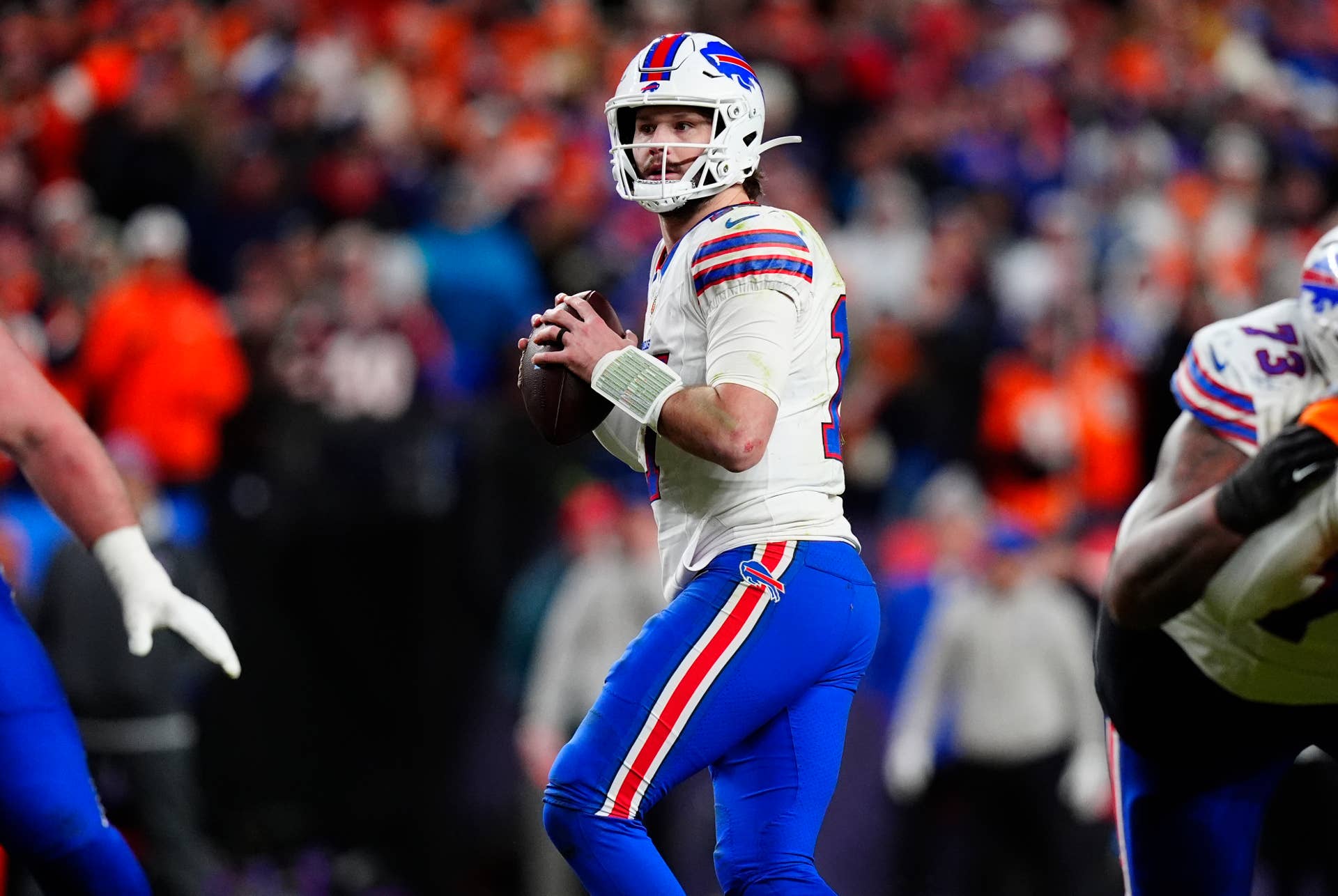
The Immediate Impact on Josh Allen
Emotional and Leadership Shift
Josh Allen is more than just an elite quarterback — he’s the emotional core of the Bills roster. His leadership, swagger, and competitive fire define the team’s identity. McDermott’s departure removes a figure who shared a long journey with Allen, including numerous playoff battles and cultural evolution.
While Allen has publicly shown respect for McDermott, the change forces him to adapt to new leadership, style, and voice. As one report explains, Allen maintains confidence in the organization and plans to participate actively in the search for a new head coach.
That involvement marks a shift in power dynamics. Historically, star quarterbacks have had influence in coaching searches, but the degree to which Allen will play a visible role this offseason is notable. It signals trust from the front office but also underscores Allen’s position as the franchise’s centerpiece moving forward.
How the Coaching Search Could Shape Allen’s Future
Selecting the Right Fit
The next head coach isn’t just a replacement — they must match Allen’s style, personality, and championship aspirations. With McDermott gone, the Bills are expected to target candidates who emphasize offensive innovation and adaptability — traits that could elevate Allen’s elite skill set.
That shift could fundamentally change how the offense functions. A coach with a strong offensive background may introduce new schemes, personnel utilization, and play‑calling dynamics designed to maximize Allen’s strengths — stretching the field vertically and exploiting mismatches with precision. This contrasts with McDermott’s conservative, balanced approach that often relied on defense and game management.
However, with any coaching change comes uncertainty. While Allen is elite, he will need a coach who understands how to build around him and navigate the pressures of deep playoff runs. Bills fans and analysts alike have debated whether a young, innovative voice or a seasoned veteran with a track record of playoff success is the right fit — but the coaching carousel is well underway, and Buffalo’s choice will echo for years.
Roster Implications and Strategic Adjustments
Cap Space and Contract Management
Allen is under a massive long‑term contract that ties him to Buffalo through the end of the decade. That stability presents both an opportunity and a challenge for the team’s front office. With McDermott gone, the new coaching staff will need to work within the cap and roster structure that McDermott, Beane, and Allen helped shape.
Allen’s contract offers leverage and security, but it also means the Bills must make shrewd decisions around supporting talent — especially at wide receiver and the offensive line — if they want to build a roster capable of challenging elite defenses. The firing implies that Buffalo plans to reset around Allen’s prime years to give him the best chance at a title.
Locker Room Morale and Team Culture
McDermott’s departure also reverberates within the locker room. According to reporting on player reactions, several Bills players publicly criticized the decision and expressed frustration with the abrupt change, emphasizing McDermott’s impact on the team culture.
This dynamic presents a double‑edged sword: the new coach must unify the roster quickly and preserve the positive aspects of McDermott’s culture — toughness, accountability, relentless effort — while also pushing players to new heights.
Long‑Term Impacts on the Bills’ Vision
Ownership’s Message: Super Bowl or Bust
The decision to relieve McDermott of his duties sends a loud message throughout Buffalo’s organization and fanbase: anything short of a Super Bowl is unacceptable. This mindset is a double‑edged sword — it underscores urgency but also sets a high bar for failure.
For Allen, this means external expectations are soaring. He’s already seen as a generational talent, but now he’s the centerpiece of a recalibrated operation determined to transform consistent contention into ultimate success.
Legacy Considerations for Allen
Allen’s legacy will be shaped by what happens next. A Super Bowl appearance — and especially a victory — would cement him as one of the great quarterbacks of his era. But failure to reach that pinnacle, despite regular‑season brilliance, could shadow his achievements.
The coaching change thus adds a new layer to Allen’s narrative: his prime years will now be played under a different coaching philosophy, creating a clear “before and after” in what was already a productive career.
Navigating Fan Expectations
Bills Mafia — the passionate Bills fanbase — has strongly felt the impact of McDermott’s firing. Many fans have protested the move, signing petitions and expressing emotional dismay.
While some acknowledge that McDermott’s departure was necessary on paper, others fear that the organization is destabilizing something that was working. Fans are also keenly aware of Allen’s central role, and any perceived missteps in the coaching search could quickly become points of contention.
In essence, the next head coach will walk into a situation where expectations are immense and patience is thin. That pressure could either drive success or create a volatile environment if results don’t follow swiftly.
The Broader NFL Landscape and Competitive Balance
The Bills are not the only franchise searching for a coach, but they are among the highest‑profile openings in the league. Allen’s presence makes Buffalo a desirable destination for coaching candidates with championship aspirations.
That said, the coaching market is competitive, and landing the right leader matters immensely. Whether the Bills choose a seasoned veteran with playoff experience or a rising coordinator with an innovative vision will speak volumes about the organization’s ambitions.
Final Thoughts: A Pivotal Crossroads
Sean McDermott’s firing marks a pivotal moment for the Buffalo Bills, Josh Allen, and the future of a franchise that’s been knocking on the door of greatness for years.
For Allen, the move presents both opportunity and risk. It paves the way for a new partner in his quest for a championship, but it also removes the coach who helped shape his formative years and who provided stability through playoff runs. Allen’s involvement in selecting McDermott’s successor, while unprecedented in some ways, underscores how crucial he is to the franchise’s direction.
Buffalo’s decision reflects a win‑now philosophy that leaves no room for another near‑miss. Whatever happens next — from the coaching hire to roster construction and game‑day execution — will define not only the next chapter of Bills football but also the most defining years of Josh Allen’s career.
This is more than a coaching change. It’s a turning point in franchise history — one filled with promise, expectation, and the intense pressure of ultimate success.
About the Author


