
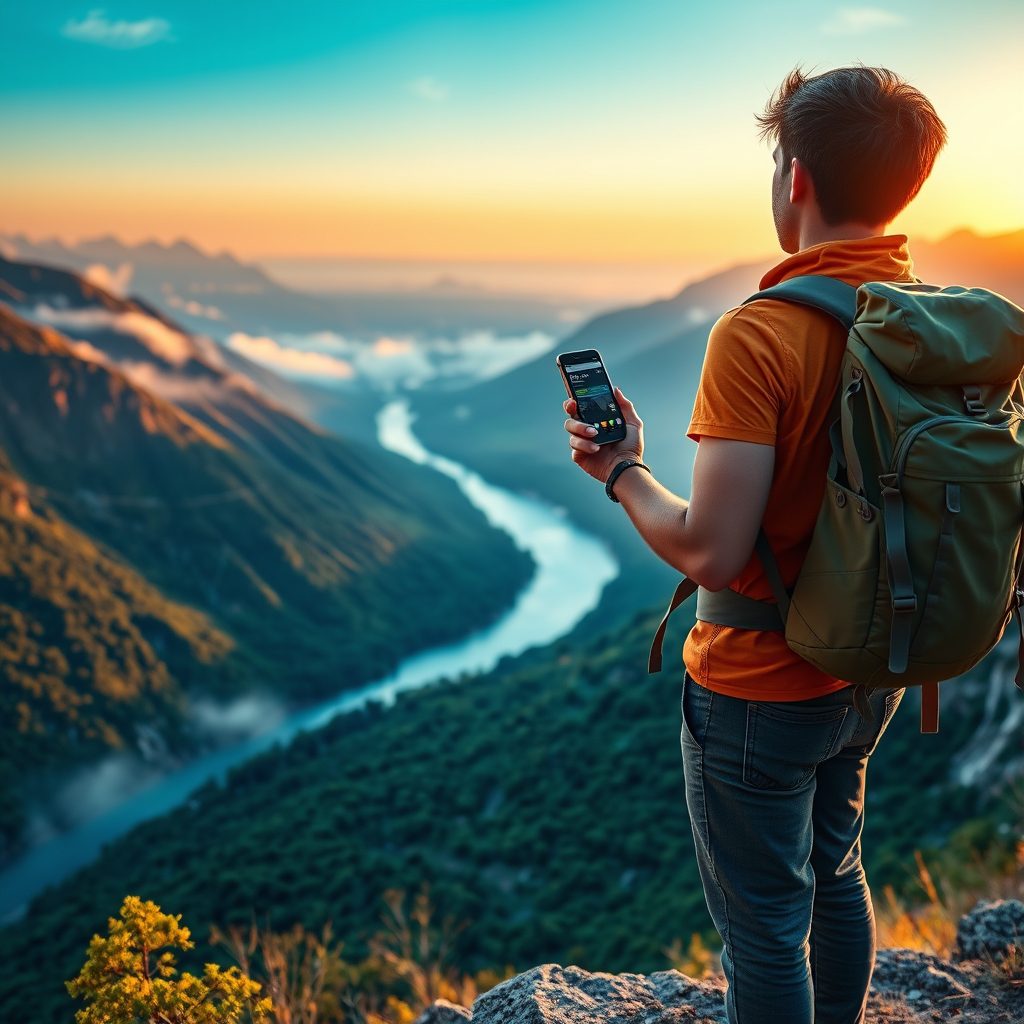
Budget backpacking for 2026 is all about exploring the world without breaking the bank. As travel costs rise and economic uncertainties persist, savvy adventurers are seeking ways to stretch their dollars further while still experiencing unforgettable journeys. Whether you’re a seasoned backpacker or planning your first trip, this guide will help you navigate the evolving landscape of affordable travel in 2026. With smart planning, flexibility, and insider tips, you can make your dream adventures a reality without sacrificing comfort or experiences.
Furthermore, the rise of digital nomadism and remote work has transformed how people travel. More individuals are blending work and exploration, allowing them to stay longer in destinations while managing their budgets effectively. This shift has also led to an increase in affordable long-term accommodations and co-working spaces worldwide. By leveraging these trends, you can make budget backpacking for 2026 not just feasible but incredibly rewarding.
Why Budget Backpacking for 2026 Is More Important Than Ever
The global travel industry is rebounding rapidly after years of disruption, but costs are climbing too. Flights, accommodations, and even local experiences have seen price hikes, making budget backpacking for 2026 a necessity for many. However, this doesn’t mean you have to compromise on quality. By focusing on value-driven choices, you can enjoy rich cultural experiences, stunning landscapes, and meaningful connections without overspending.
In addition, inflation has impacted travel budgets worldwide. For example, the average cost of a hostel bed in popular backpacking destinations like Southeast Asia has increased by nearly 15% since 2023. Meanwhile, flight prices have fluctuated, with some routes becoming more affordable due to increased competition among airlines. Understanding these trends will help you plan smarter and avoid common financial pitfalls while traveling.
How Can You Save on Flights for Budget Backpacking in 2026?
Flights often represent the largest expense for backpackers, but there are ways to cut costs significantly. Start by using flight comparison tools that track price trends and alert you to deals. Booking mid-week and avoiding peak travel seasons can also save you hundreds of dollars. For instance, flights to Europe in the shoulder seasons (April-May or September-October) can be up to 30% cheaper than during summer.
Next, consider alternative airports or routes. Major hubs like London or Bangkok are often more expensive to fly into, but nearby cities may offer better deals. Additionally, budget airlines like Ryanair, AirAsia, and Spirit Airlines frequently run promotions, so signing up for their newsletters can give you a competitive edge. Flexibility with your travel dates is key—sometimes shifting your departure by just a day or two can lead to substantial savings.
Where Are the Best Budget Backpacking Destinations for 2026?
Choosing the right destination is crucial for budget backpacking for 2026. Some regions offer exceptional value, with low daily costs for food, transport, and accommodations. Southeast Asia remains a top choice, where you can comfortably live on $30-$40 per day. Countries like Vietnam, Thailand, and Indonesia provide a mix of vibrant cities, pristine beaches, and lush jungles, all at a fraction of the cost of Western destinations.
However, other regions are emerging as hidden gems for budget travelers. Eastern Europe, for example, offers rich history, stunning architecture, and affordable prices. Cities like Budapest, Krakow, and Belgrade provide a high quality of life for backpackers, with hostel beds averaging $10-$15 per night. Similarly, Central America is gaining popularity, with countries like Guatemala and Nicaragua offering incredible landscapes and cultural experiences for under $40 per day.
What Are the Best Ways to Save on Accommodations?
Accommodations can quickly eat into your budget, but there are plenty of ways to save. Hostels remain the go-to option for budget backpackers, with prices ranging from $5 to $20 per night depending on the location. Many hostels also offer private rooms at a fraction of the cost of hotels, making them ideal for those who want a bit more privacy without overspending.
Furthermore, alternative lodging options are becoming increasingly popular. Platforms like Workaway, WWOOF, and HelpX connect travelers with hosts who offer free accommodations in exchange for a few hours of work per day. This not only saves money but also provides a unique cultural exchange. Another option is house-sitting, where you can stay in someone’s home for free in exchange for taking care of their pets or property. These opportunities are abundant in 2026, making them a fantastic way to extend your travels.
How Can You Eat Well on a Budget While Backpacking?
Food is another area where budget backpackers can save significantly. Eating out at restaurants every day can add up quickly, but there are plenty of ways to enjoy delicious and nutritious meals without overspending. Street food is a staple for budget travelers, offering authentic local flavors at a fraction of the cost of sit-down restaurants. In countries like Thailand and Mexico, you can enjoy a full meal for as little as $2-$3.
In addition, cooking your own meals can save you a lot of money. Many hostels have communal kitchens where you can prepare simple dishes using ingredients from local markets. Shopping at markets instead of supermarkets can also help you save, as prices are often lower and the produce is fresher. If you’re staying in one place for a while, consider buying in bulk or splitting groceries with fellow travelers to cut costs even further.
What Are the Best Budget-Friendly Transportation Options?
Getting around on a budget requires some creativity, but it’s entirely possible. Public transportation is the most cost-effective way to travel within cities and between towns. Buses and trains are widely available in most backpacking destinations and are often very affordable. For example, a train ride from Hanoi to Ho Chi Minh City in Vietnam costs around $30, while a bus from Guatemala City to Antigua is just $10.
Next, consider ridesharing or hitchhiking for longer distances. Apps like BlaBlaCar connect drivers with empty seats to travelers heading in the same direction, offering a cheap and social way to get around. Hitchhiking is also an option in many countries, though it’s important to research local customs and safety tips before trying it. For shorter distances, walking or renting a bicycle can be a great way to explore while saving money.
How Can You Make the Most of Your Budget Backpacking Experience in 2026?
Budget backpacking for 2026 isn’t just about saving money—it’s about maximizing your experiences. Prioritize activities that offer the most value, such as free walking tours, hiking, or visiting public parks and beaches. Many cities also offer free or discounted entry to museums and cultural sites on certain days of the week, so plan your itinerary accordingly.
Furthermore, connecting with locals and other travelers can enrich your journey in ways that money can’t buy. Staying in social hostels, joining group tours, or attending local events can lead to lifelong friendships and insider tips on hidden gems. In 2026, digital nomad communities are thriving, making it easier than ever to meet like-minded adventurers and share resources.
What Are the Must-Have Tools for Budget Backpackers in 2026?
Technology can be a game-changer for budget backpackers. Apps like Skyscanner, Rome2Rio, and Maps.me help you find the best deals on flights, navigate public transportation, and discover off-the-beaten-path destinations. Additionally, budgeting apps like Trail Wallet or Spendee can help you track your expenses and stay on top of your finances while on the road.
In addition, packing smart can save you money in the long run. Invest in a high-quality backpack, reusable water bottle, and quick-dry clothing to avoid unnecessary purchases while traveling. A portable charger and universal adapter are also essential for staying connected and powered up on the go. By equipping yourself with the right tools, you can travel more efficiently and affordably.
FAQ: Budget Backpacking for 2026
Is Budget Backpacking for 2026 Still Safe?
Yes, budget backpacking for 2026 is still safe, provided you take common-sense precautions. Research your destinations thoroughly, stay aware of your surroundings, and follow local advice on safety. Many budget-friendly destinations are also popular with other travelers, which can add an extra layer of security. Always trust your instincts and avoid risky situations to ensure a smooth and enjoyable trip.
How Much Should You Budget for a Month of Backpacking in 2026?
The amount you need depends on your destination and travel style. In Southeast Asia, you can comfortably backpack for $800-$1,200 per month, including accommodations, food, transport, and activities. In Europe, the same budget would stretch to around $1,500-$2,000 per month, depending on the countries you visit. For Central or South America, aim for $1,000-$1,500 per month. Always include a buffer for unexpected expenses like medical emergencies or last-minute travel changes.
What Are the Biggest Mistakes to Avoid When Budget Backpacking in 2026?
One of the biggest mistakes is not researching visa requirements in advance. Some countries require visas for entry, and failing to obtain one can result in denied boarding or hefty fines. Another common error is overpacking—carrying too much luggage can lead to extra fees on budget airlines and make it harder to navigate public transportation. Finally, avoid exchanging money at airports or tourist areas, where rates are often unfavorable. Instead, use ATMs or local exchange bureaus for better deals.
Budget backpacking for 2026 is an exciting opportunity to explore the world without financial stress. By planning ahead, staying flexible, and making smart choices, you can create unforgettable memories while keeping your wallet happy. Whether you’re trekking through Southeast Asia, exploring the historic streets of Eastern Europe, or soaking up the sun in Central America, the world is yours to discover—one budget-friendly adventure at a time.
About the Author


